Gemini Omni-Test: Googles neues KI-Videomodell erklärt
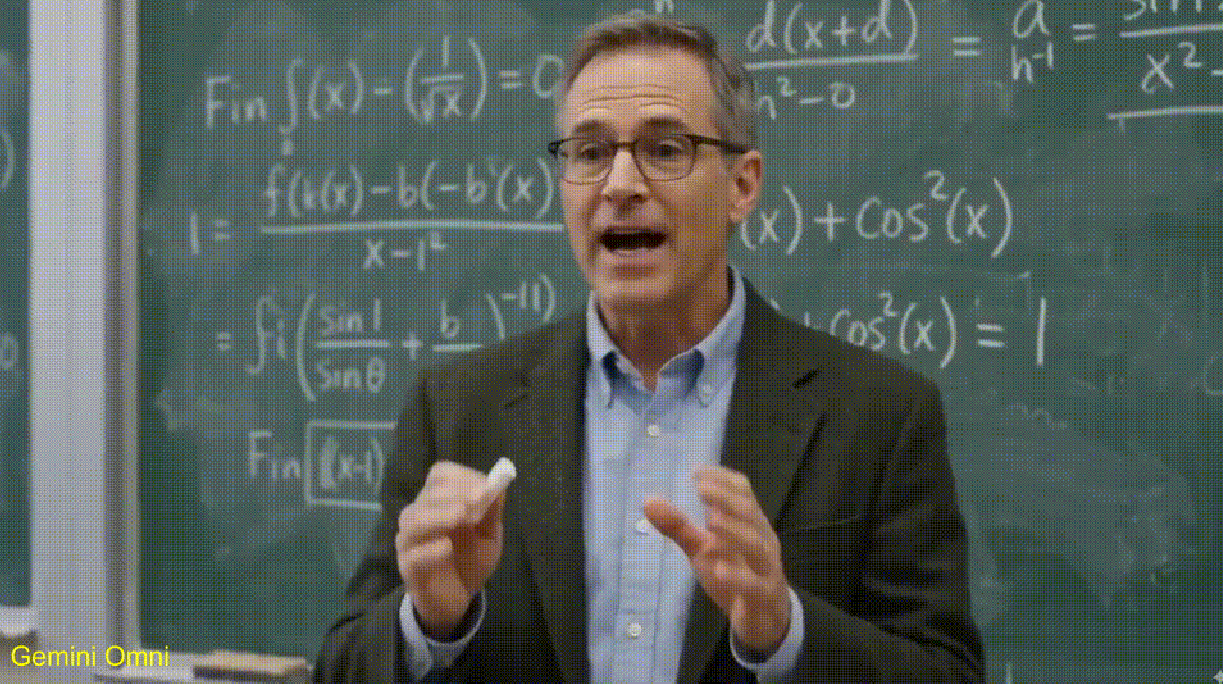
Wenn Sie Mitte Mai 2026 irgendwo in der Nähe von KI-Video Twitter (X) oder Ersteller foren waren, haben Sie dieselben zwei Clips im Umlauf gesehen: einen Professor, der Trigon ometrie an einer Tafel schreibt, und ein filmisches Abendessen am Meer mit zwei Freunden, die Spaghetti teilen.
Die Kommentatoren sind sich nicht einig darüber, ob das Filmmaterial einen echten Sprung über die heutigen besten Modelle hinaus darstellt, sind sich jedoch in der Überschrift einig: Googles Consumer-KI-Stack signalisiert neues Video-Kapitel, Oft beschriftet “Omni” In Metadaten und In-App-Kopie, obwohl Google keinen formellen Produkt brief mit diesem Namen ausgeliefert hat. Behandeln Sie „ Omni “bis zu diesem kurzen Aufkommen als bewegliches Ziel: Eine Gemini Omni-Video modell geschichte in Schlagzeilen ist möglicher weise immer noch Verpackung, Routing oder ein wirklich neuer Fähigkeit stapel.
Dieser Artikel ist ein Trend-und Erzähl analyze: Was die Beweise darauf hindeuten, wohin KI-Video geht, warum etablierte Unternehmen auf sie zurasen Im Chat bearbeiten und Remix Workflows und was ein umsichtiger Schöpfer oder Produkt team vorher annehmen sollte Google I/O 2026. In der Praxis bedeutet dies, zu fragen, ob Ihr Stack bereits eine Schleife im Stil eines Gemini Omni-Video generators unterstützen kann-Eingabe aufforderung, Vorschau, Überarbeitung-, ohne auf eine Keynote zu warten, um den Workflow zu validieren.
Warum „ Omni “jetzt im Trend liegt und warum Benennung wichtig ist
Drei Kräfte kollidieren in dieser Geschichte.
Zuerst, Video ist die teuerste Modalität, um bei Qualität zu dienen, Was bedeutet, dass jedes "neue Modell" Gerücht auch ein Gerücht ist Preise, Kappen und Unternehmens verpackungen. Frühe Tester-Anekdoten deuten bereits auf einen aggressiven Konsum täglicher Quoten auf bezahlten Ebenen hin, wenn kurze generative Clips ausgeführt werden, die mit dem übereinstimmen, was Outlets wie Android Authority aus Community-Berichten zusammen gefasst haben.
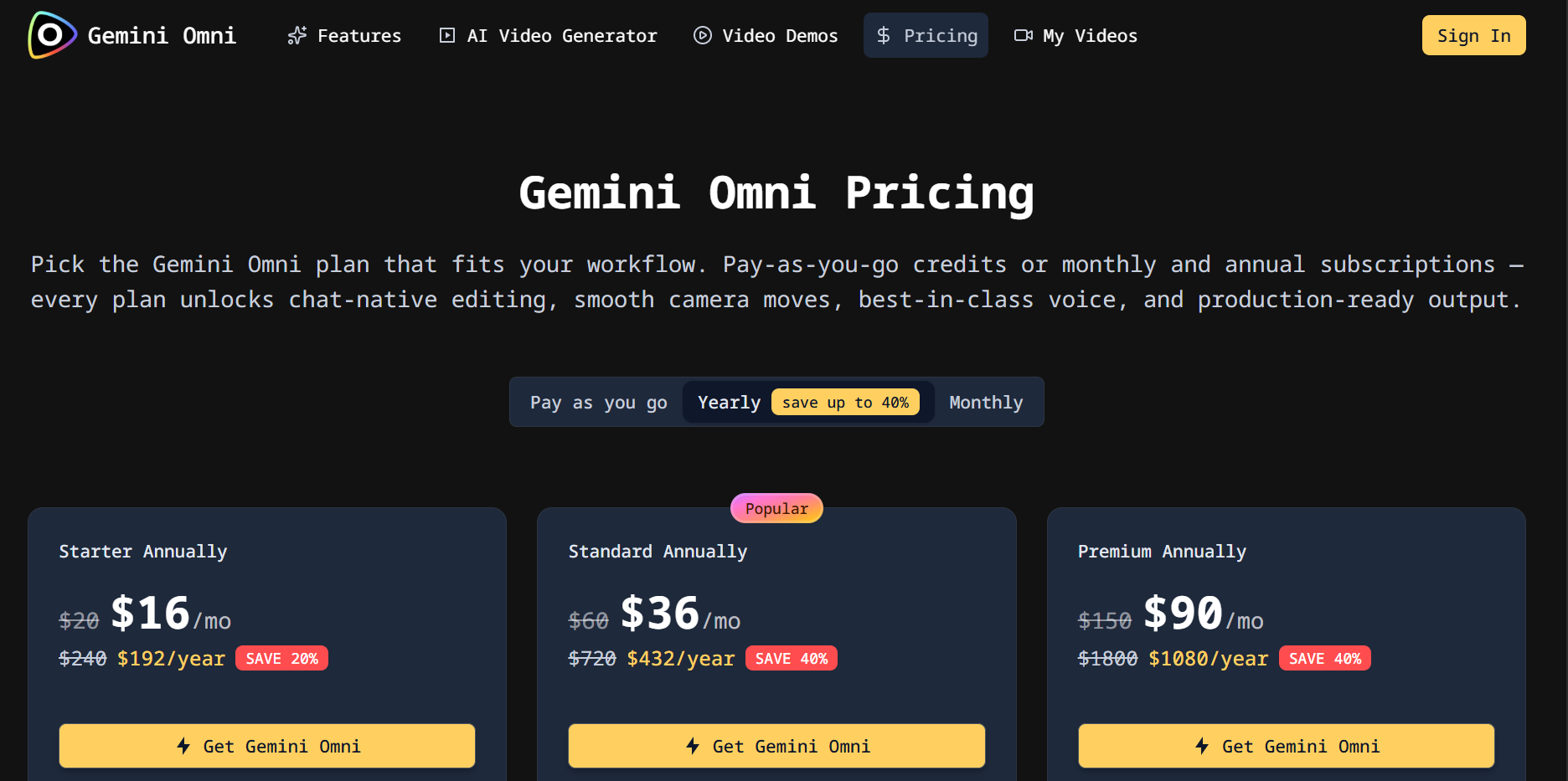
Zweitens, Googles Gemini-App wird zur Standard-Haustür Für Mainstream-Nutzer, die nicht in "Veo"-oder "API-Routen" denken. Wenn Google ein neues Verbraucher-Label einführt, geht es weniger um Labor-Taxonomie, sondern mehr um Eine Erzählung, die Benutzer wiederholen können: Ein Assistent, viele Ausgänge. Wenn Sie heute die gleiche Schleife „ Ein Assistent, viele Ausgänge “stresstest-Text oder Bild rein, kurzes Video raus-möchten, können Sie es Ende-zu-Ende in einem Browser-Workflow als Alle video generator Auf VidpexAI (Multi-Referenz-Uploads, schnelle Iteration, Download, wenn Sie mit dem Schnitt zufrieden sind).
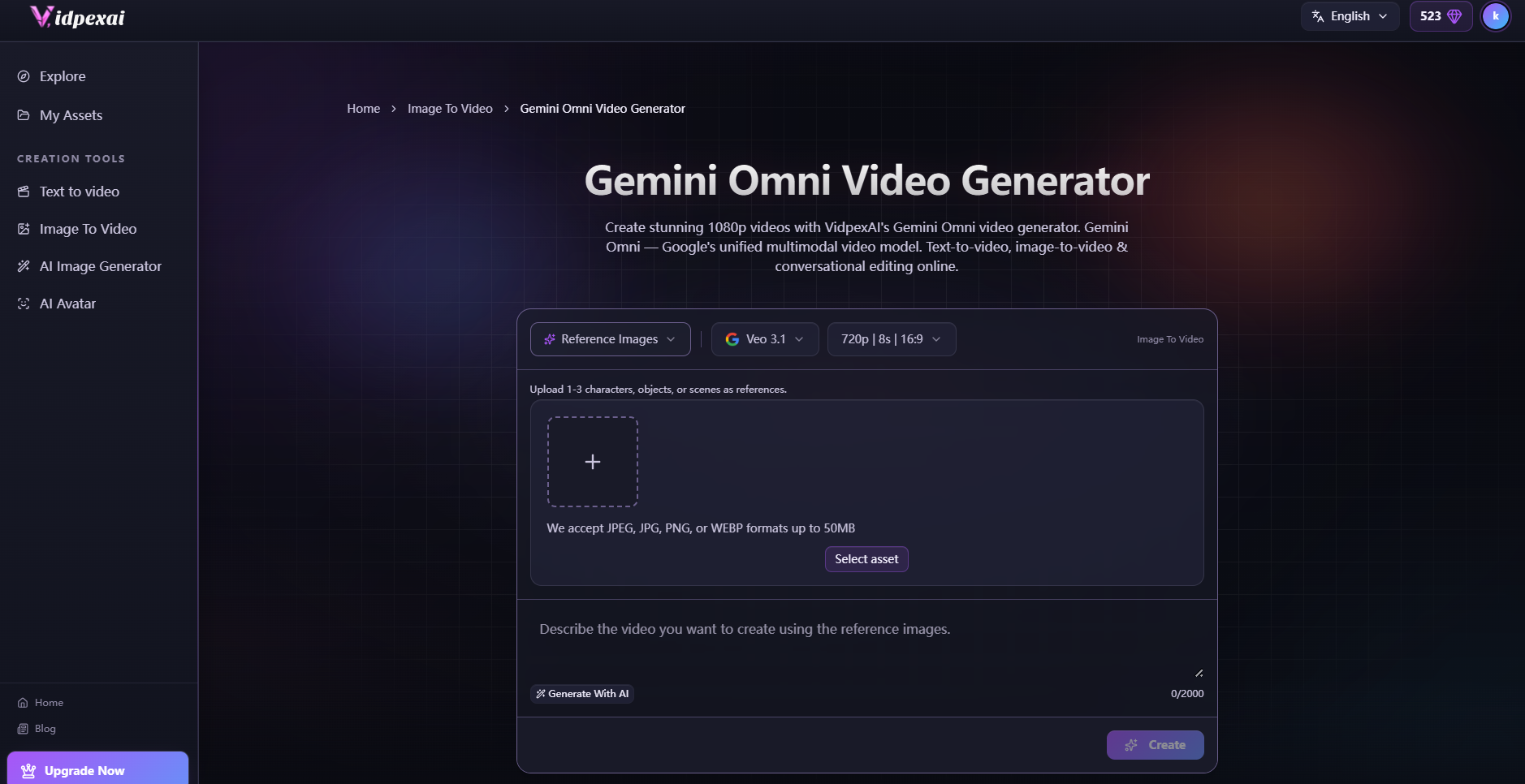
Drittens, Die Schöpfer kultur bewertet Modelle jetzt durch Stresstests in Meme-Qualität (Spaghetti szenen, Tafel mathematik, Handshake-Mikro gesten), weil diese Tests Fehler modi aufdecken, die Marketing-Brutzelspulen vermeiden. Dies ist genau der analytische Rahmen, der in unabhängigen Video kommentaren zu den durch ge sickerten Clips verwendet wird. Für Kurzform teams ist die eigentliche Frage, ob ein Gemini Omni Video Maker Workflow diese Meme-Tests in der Produktion überleben kann-nicht nur in einer Start montage.
Was öffentliche Beweise tatsächlich zeigen
Welle 1: Produkt-Kopie als Staging-Signal
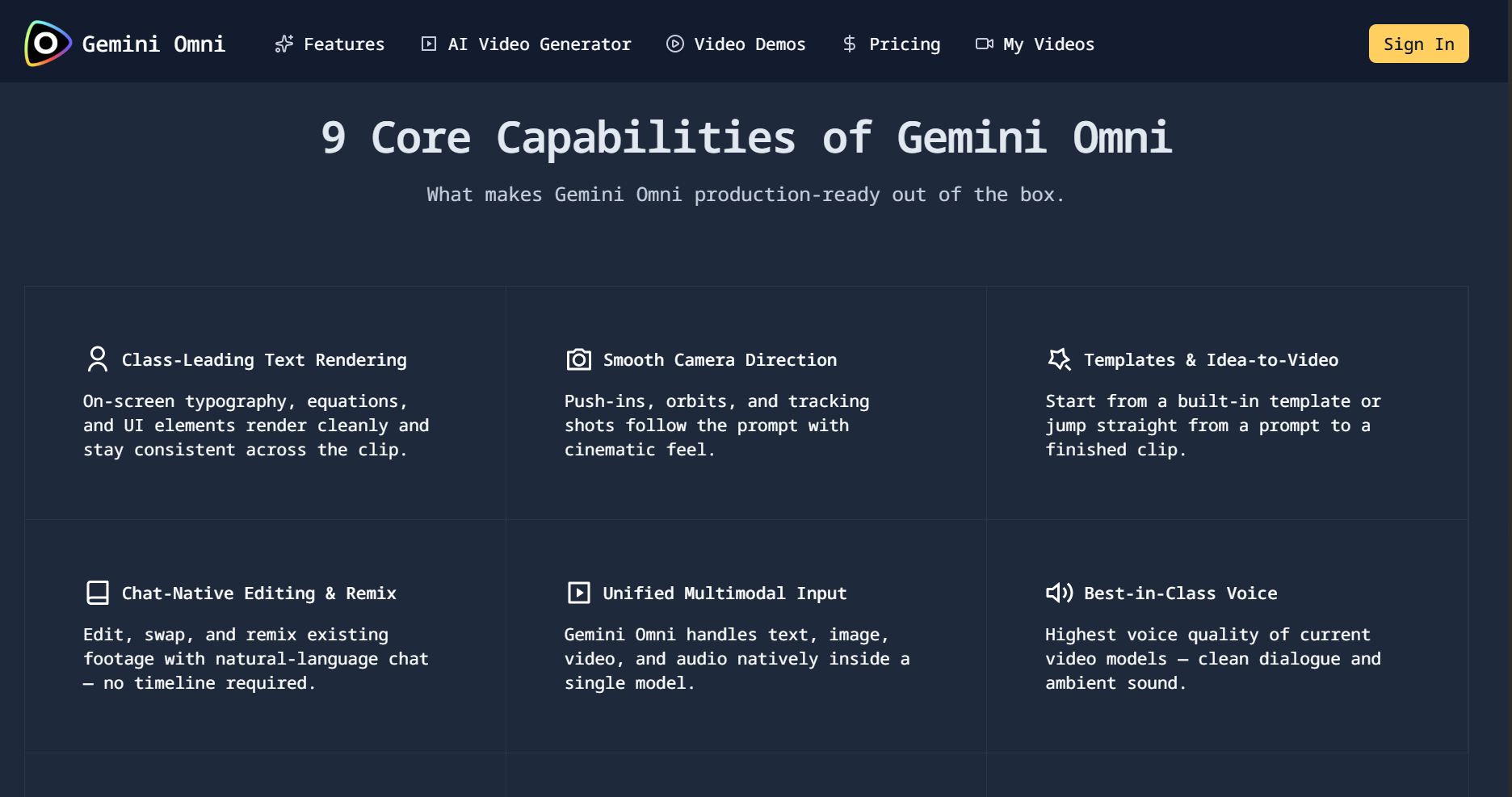
In Berichten aus Testing Catalog und anderen wurde die benutzer sichtbare Sprache im Video bereich von Gemini hervor gehoben, die Vorlagen und eine mit „ Omni “beschriftete Pipeline neben vorhandenen Veo-Backed-Flows vorschlug. In reifen Produkt organisationen, Änderungen in Live-Oberflächen kopieren Oft Preis-und Richtlinien änderungen vorausgehen. Das garantiert keinen Starttermin, ist aber ein stärkeres Signal als ein zufälliges Repo-Commit.
Welle 2: Demos, Metadaten-Tags und Community-Forensik
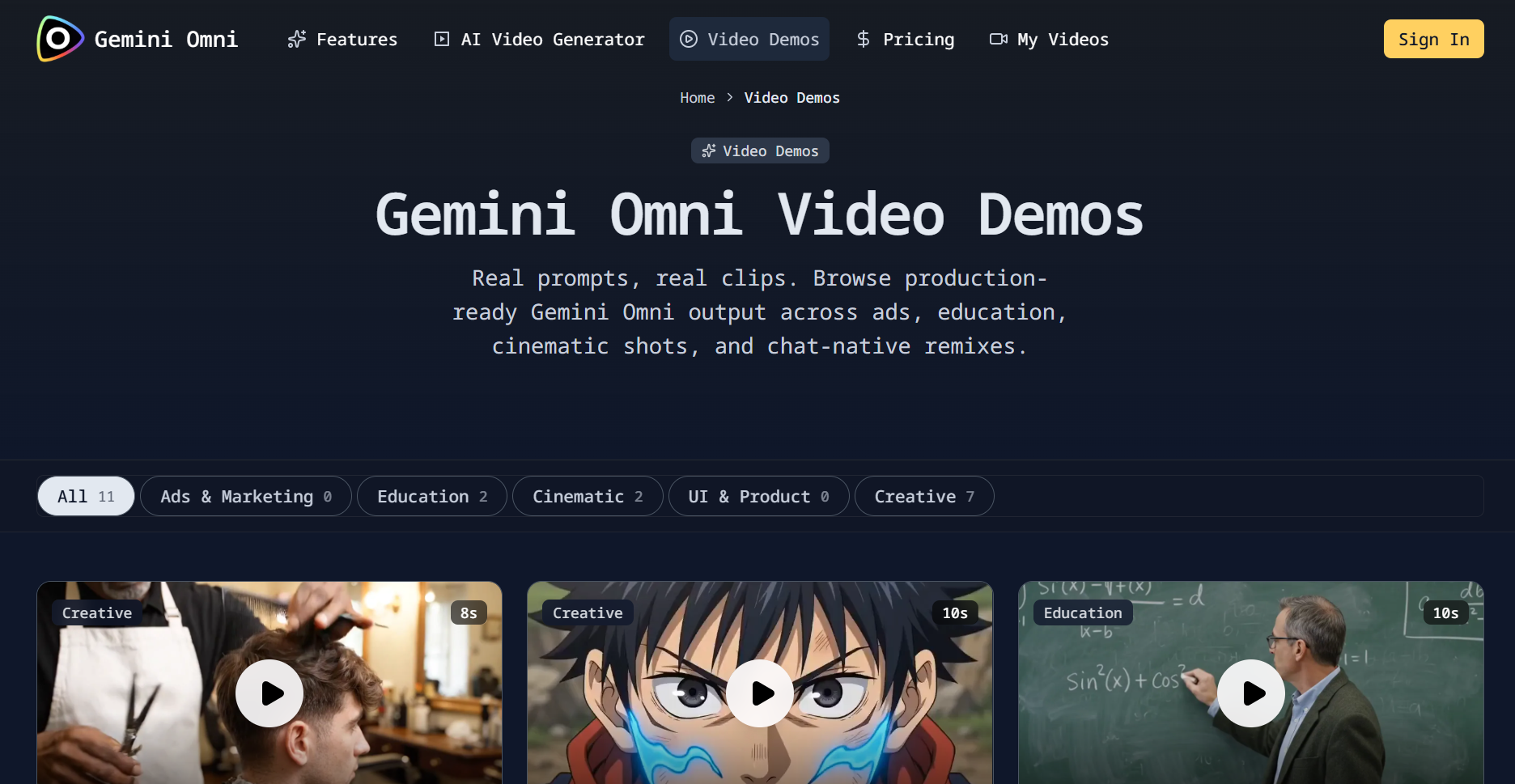
Outlets dokumentierten die Eingabe aufforderungen im Stil „ Mit Gemini Omni erstellen “und die gemeinsamen frühen Ausgaben, einschl ießlich des Mathematik szenarios der Tafel. Behandeln Sie zirkulierende Gemini-Omni-Video-Demos als Signale dafür, was der Markt glauben möchte-und validieren Sie dann dieselben Szenarien für Ihre eigenen Eingabe aufforderungen, Samen und Upload-Einschränkungen. Unabhängig davon gingen die Schöpfer auf YouTube Bild für Bild durch das, was sie beeindruckte (Handschrift treue) und was noch synthetisch aussah (Gesichts mikro animation, Objekt beständigkeit während der Essszenen), was wertvoll ist, weil es die Geschichte neu formuliert Hype zu Reproduzier barkeit. In einfacher Produktsp rache lesen sich diese Lecks wie eine frühzeitige Position ierung für ein Gemini Omni AI-Video generator erlebnis: schnelle Clips, Stresstests in Meme-Qualität und sofortige soziale Verbreitung. Diese Frame-by-Frame-Aufschlüsse lungen sind gerade deshalb nützlich, weil sie virale Gemini-Omni-Video momente in eine Checkliste mit Fehler modi verwandeln, die Sie auf Ihren eigenen Slips punkten können.
Wichtiger methodischer Hinweis: Bis Google reproduzierbare Zugriffs-, Latenz verteilungen und Leitplanken dokumentation ver öffentlicht, Alle öffentlichen Vergleiche sind anekdo tisch. Diese Einschränkung gilt auch dann, wenn das Gemini Omni-Modell real und stark ist: Ohne reproduzier baren Zugang ist „ besser “meistens eine Vibes-Metrik. Sie sind immer noch nützlich für Trend prognosen, weil sie zeigen Welche Abmessungen Der Markt wird Ende 2026 "S-tier"-Video beurteilen: Texts tabilität im Rahmen, Multi-Agent-Blockierung in Szenen mit Utensilien und Lebensmitteln, Lippen synchron isation und Dialog klarheit sowie Kamera grammatik über Schnitte hinweg.
Drei plausible Interpretationen von „ Omni“
Szenario A: Umbenennen von Verbrauchern und Verpackungen rund um Motoren der Veo-Klasse
Wenn "Omni" in erster Linie ist Position ierungDie Wettbewerbs landschaft ändert sich nicht über Nacht. Preis gestaltung und Verteilung tun. In dieser Welt können Labels im "gemini omni 1"-Stil einfach eine First-Wave-Routing-Saite markieren-keine Garantie für eine neue Physik-Engine unter der Haube. Amtsinhaber plattformen gewinnen immer noch weiter Workflow-Tiefe (Vorlagen, Zeitleisten, Marken kits, Chargen generierung).
Szenario B: Ein Gemini-nativer Videos tapel parallel zu Veo
Wenn Omni ein ist Eindeutiger Track, optimiert für die native Bearbeitung des Assistenten, Der Trend ist Konversation iteration: Benutzer behandeln Videos wie ein Dokument, das per Chat überarbeitet werden kann. Dies würde eigenständige Editoren unter Druck setzen, ähnliche Betriebs ebenen in natürlicher Sprache freizulegen, nicht nur bessere Pixel. Wenn dieser Assistant-Native-Pfad gewinnt, hören viele Teams auf, Zeitleisten zu vergleichen, und beginnen, die Qualität einer Gemini Omni-Video-Editor-Ebene zu vergleichen: Wie zuverlässig wird der Chat zu einem verwendbaren Schnitt.
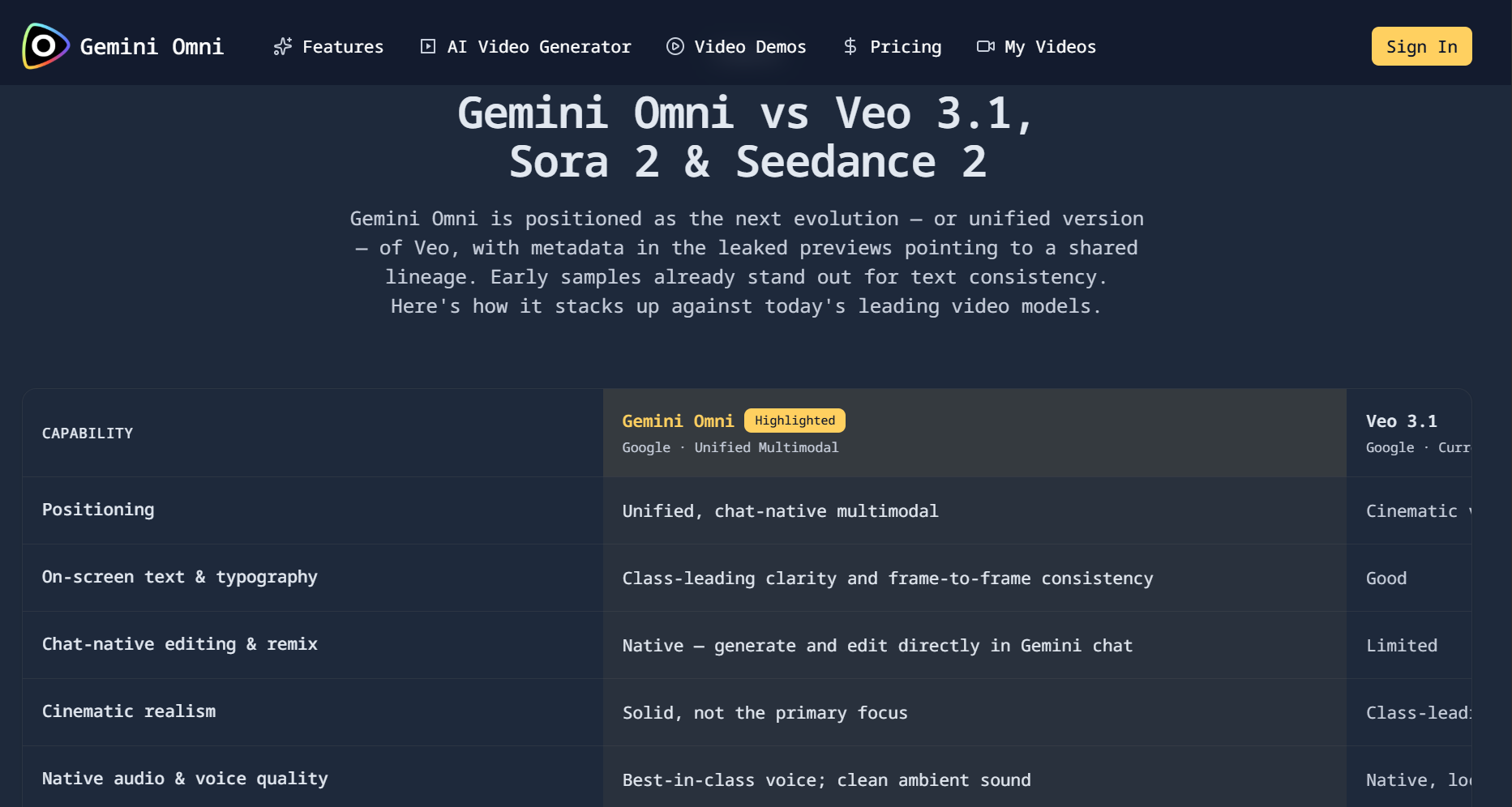
Szenario C: Eine echte Verein heitli chung der „ Omni “-Modalität
Wenn der Name kein Marketing-Flaum ist und Google sich bewegt Eine Modell klasse Das umfasst Text, Bilder, Audio und Video mit engerer Kopplung. Dann müssen Kreativ suiten von Dritt anbietern entscheiden, ob sie konkurrieren Modell vielfalt (Best-of-Breed-Routing) oder Vertikale Integration (Einfachheit des einzelnen Anbieters). Der größte Teil des Marktes wird wahr schein lich wählen Hybrid-Routing: Ein UX, viele Backends.
Was die viralen Demos für die Produkts trategie 2026 implizieren
Unabhängig davon, welches Szenario wahr ist, die Demos und Kommentare skizzieren Vier langlebige Trends Für die nächsten 12-18 Monate.
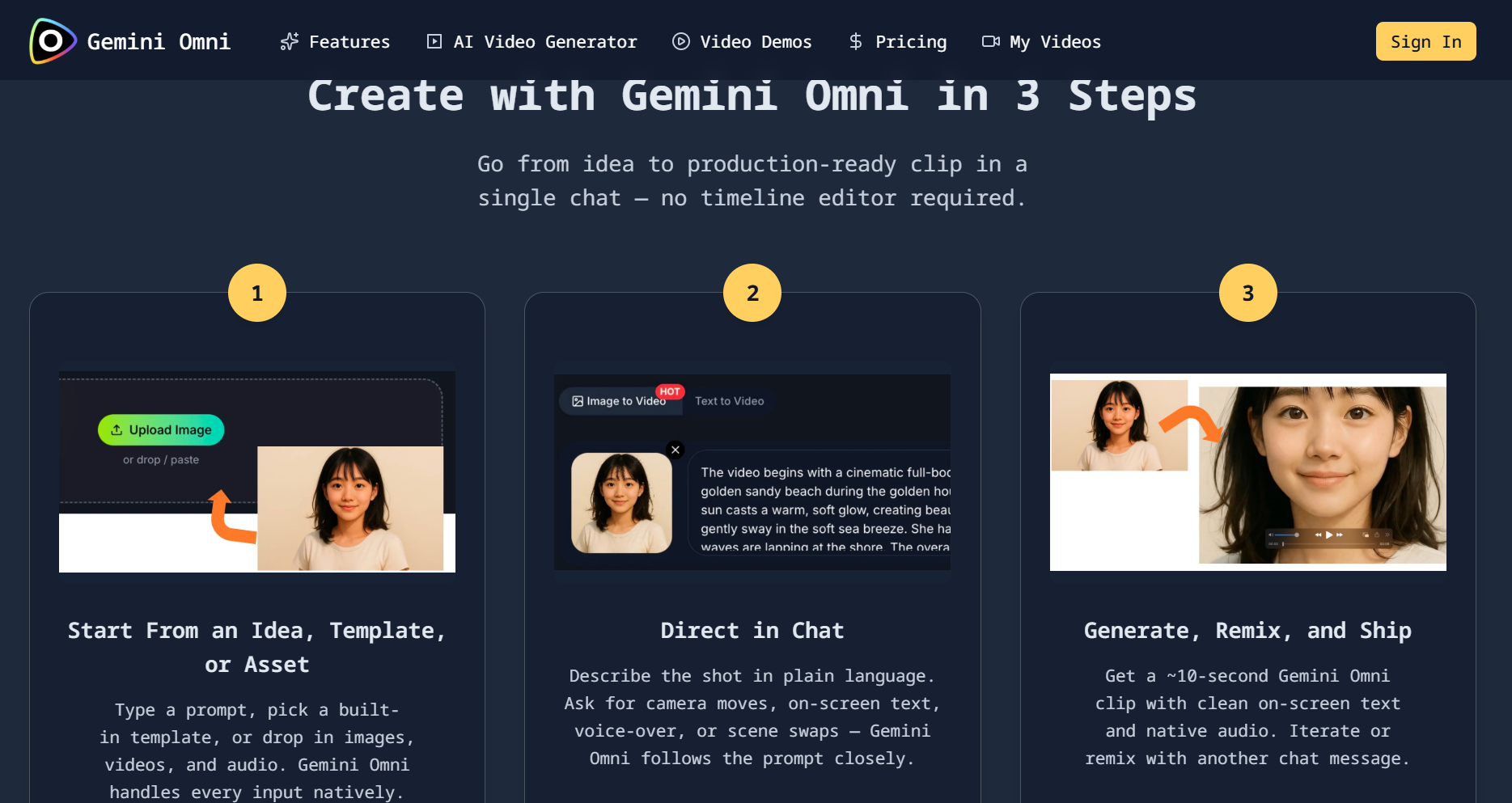
1) Vom "One-Shot-Clip" bis zur "Session-basierten Erstellung"Wenn Remixen und Chat-Änderungen im Mainstream Gemini landen, werden die Gewinner produkte für optimiert Kurze Rückkopplung schleifen: Regenerieren Sie ein Segment, nicht die gesamte Zeitachse. Diese Verschiebung erhöht die Erstellung von Gemini Omni-Videos von einer Neuheit zu einer betrieblichen Anforderung: Kürzere Zyklen schlagen hübschere One-Shots, wenn Sie wöchentlich versenden.
2) Text-in-Video wird zu einer erstklassigen Bewertungs metrikBildung, Finanzen, Marketing im Gesundheits wesen und technische Einfluss faktoren benötigen alle lesbare Ziffern und Symbole. Der Tafel-Clip ging viral, weil er eine Echter kommerzieller Schmerz punkt: Konzepte vor der Kamera ohne Studio erklären.
3) Audio und Dialog erhöhen die Decke schneller als AuflösungDie Schöpfer beurteilen jetzt die Ergebnisse Mundform, Plosives, Raumton, Nicht nur Pixel. Das drängt die Anbieter zum Bündeln Dialog modelle, Musik und SFX In einheitliche Pakete.
4) Governance wird zu einem Produkt merkmalDas Remixen von benutzer gelieferten Medien zieht Plattformen hinein IP, Ähnlichkeit und Herkunft Territorium. Erwarten Sie sichtbarere Angaben, Wasser zeichen debatten und „ sichere Modi “für Unternehmen, die in Preis stufen gebündelt sind.
Was umsichtige Teams diesen Monat tun sollten
Wenn Sie eine Content-Organisation, einen Marktplatz oder ein kreatives SaaS-Produkt betreiben, behandeln Sie Omni als Risiko planen und ein UX-Forschungs signalNicht als garantierte Abhängigkeit.
- Führen Sie den gleichen kreativen Auftrag über zwei oder drei Stapel Und Score-Ergebnisse für Dimensionen, die Sie tatsächlich versenden (SKU-Lesbarkeit, menschliche Hauts tabilität, Hände, die mit Objekten interagieren, Verständlich keit gesprochener Linien).
- Instrument Ihre eigene Nutzungs ökonomie Die Art und Weise, wie Gemini-Benutzer plötzlich eine Quoten verbrennung bemerken: Video ist ein Kredit ofen.
- Design für Modell-Swap ability Sie sind also in der Woche vor einer Konferenz-Keynote nicht an eine einzige Verkäufer erzählung gebunden.
Eine leichte Notiz auf All-in-One-Kreativ plattformen
Das langfristige Benutzer bedürfnis ist nicht "das größte Modell", sondern Vorhersehbare Produktion: Schnelle Iteration, vernünftige Standard einstellungen und Zugriff auf mehrere Engines, da jeder Anbieter in verschiedenen Eingabe aufforderung klassen spitzt.
Das ist der Problem raum VidpexAI Ziele als integrierter Arbeits bereich für KI-Video-, Bild-und Digital-Human-Workflows-Text oder Bild in, Kurzform-Visuals-für Teams, die Filme rgeb nisse ohne herkömmlichen Bearbeitungs aufwand wünschen. Beginnen Sie hier: Alle Video-Generator.
Wenn Sie Anbieter bewerten, vergleichen Sie Routing-Flexibilität, Credits und Iteration UX, Nicht nur Schlagzeilen demos.
Google I/O 2026: eine praktische Beobachtungs liste
Der schnellste Weg für den Markt, um Klarheit zu erlangen, ist einfach: Google Gemini Omni benötigt explizite Definitionen-Verbrauchern ame, Modell familie, Entwickler oberfläche-und nicht nur durch ge sickerte Zeichenfolgen. Wenn sich die Keynote-Erzählung entfaltet, sind dies die Fragen, die das Gerücht in eine Strategie verwandeln:
- Ist "Omni" eine benannte Verbraucher ebene, eine Modell familie oder beides?
- Ver öffentlicht Google Limits, Auflösungen und regionale Verfügbar keit Im selben Atemzug?
- Ist Upload-und-Remix Breit verfügbar oder gated?
- Was sind API Wege, Preis gestaltung und Tarif grenzen für Entwickler?
- Wie positioniert Google Omni gegen Byte Dance Seedance, OpenAIUnd Ökosysteme mit offenen Gewichten-auf Qualität, Preis oder Integration?
Häufig gestellte Fragen
Ist das Gemini Omni-Video modell dasselbe wie Veo oder ein separater Track?
Öffentliches Geschwätz mischt beides. Bis Google eine Fähigkeit matrix ver öffentlicht, behandeln Sie „ Gemini Omni Video modell “als Positions-und Routing etikett, das sich neben Engines der Veo-Klasse befinden kann, insbesondere innerhalb des Gemini-App-Erlebnisses.
Was soll ich zuerst in einem Gemini Omni AI Video generator Workflow bewerten?
Priorisieren Sie, was Sie versenden: Text-in-Frame-Stabilität, Hände/Objekte (Lebensmittel, Utensilien), Lippen synchron isation und Dialog klarheit, Kamera grammatik über Schnitte und Quoten brand pro 10s-Clip-dies sind die Dimensionen, in denen die Benchmarks des Erstellers 2026 immer wieder auftreten.
Ersetzt ein Gemini Omni Video Editor Workflow die Zeitleisten vollständig?
Nicht für jedes Team. Der dauerhafte Trend ist die sitzungs basierte Iteration: Regenerieren Sie ein Segment, Zweig varianten und Remix mit Eingabe aufforderungen im Chat-Stil-und exportieren Sie es dann nur dann in einen herkömmlichen Editor, wenn Compliance oder Fertigstellung dies erfordern.
Welche Produktions szenarien passen heute am besten zur Video erstellung von Gemini Omni?
Kurz erklärungen, Typografie auf dem Bildschirm, Produkt vitrinen und schnelle soziale A/B-Varianten-Fälle, in denen die Geschwindigkeit den perfekten Mikro ausdruck übertrifft, voraus gesetzt, Sie validieren die Lesbarkeit und Marken sicherheit für Ihre eigenen Inhalte.
Wer profitiert am meisten von einer Gemini Omni Video Maker-Pipeline?
Marketing-und Kurzform teams, die enge Rückkopplung schleifen und wiederholbare Schriftsätze benötigen, sowie Pädagogen oder technische Entwickler, bei denen Gleichungen, Etiketten und Ziffern lesbar bleiben müssen.
Wie soll ich durch ge sickerte oder virale Gemini-Omni-Video-Demos interpretieren?
Behandeln Sie sie als Stresstests, nicht als Benchmarks: Sie zeigen, welche Fehler modi der Markt interessiert, ersetzen jedoch keine reproduzierbare Latenz, Leitplanken und regionale Verfügbar keit durch offizielle Dokumente.
Wird es Stufen wie gemini omni 1 / gemini omni pro für Quoten und Qualität geben?
Preis geschichten im Jahr 2026 bündeln normaler weise Auflösung, Dauer, Remix/Upload-Rechte und „ sichere Modi “für Unternehmen. Nehmen Sie abgestufte Kappen an, bis Google die Benennung bestätigt. Instrument Ihre eigenen Credits auf die gleiche Weise wie bei jedem Video-Backend.
Ist "Google Gemini Omni" sicher in die Produkt kopie vor dem I/O einzubauen?
Verwenden Sie eine Sprache, die dem entspricht, was Ihre Benutzer oberfläche und API-Routen tatsächlich verfügbar machen, das Vorschau risiko offenlegen und vermeiden Sie die Angabe eines kanonischen Google-Produktnamens, es sei denn, die Dokumentation stimmt überein-insbesondere für Domains, Endpunkte und Compliance.
Kann ich die Ausgaben eines Gemini Omni-Video generators von Dritt anbietern für Anzeigen verwenden?
Nur unter den Bedingungen dieses Anbieters sowie den Marketing regeln Ihres Territoriums. Überprüfen Sie bei kommerzieller Nutzung die Ähnlichkeit, die IP-Adresse für Uploads, Musik rechte und Offenlegung pflichten, bevor Sie die Ausgaben skalieren.

Ethan Brooks
Ethan Brooks leitet die Arbeitsabläufe für KI-Videos und KI-Avatare. Mit 12 Jahren Expertise in generativer KI hat Ethan KI-gestützte Kampagnen für globale Marken entwickelt und sämtliche maßgeblichen Modelle getestet. Er schreibt über Prompt-Techniken und die Zukunft des visuellen Storytellings.